







Search Results for: visual identity
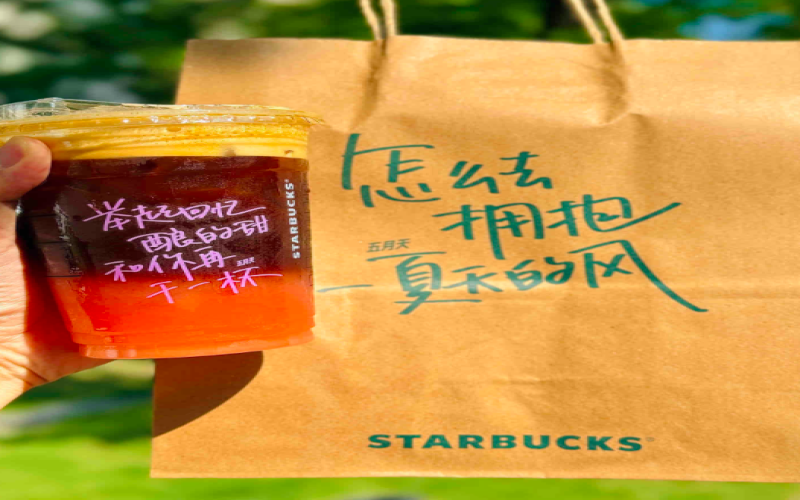
Starbucks Mayday Lyric Cups Draw Criticism: Labels Cover Designs, Duplicate Styles, Fans' Collecting Experience Diminished
Starbucks has once again teamed up with Mayday to launch a co-branded campaign, rolling out a Bergamot Grapefruit Sparkling Americano and themed limited-edition cups printed with classic Mayday lyrics. It should have been a grand occasion for fans to celebrate. However, after the campaign kicked off, many consumers took to social media to air their complaints: the drink labels happened to be stuck right over the lyric designs, and the residue was hard to remove after peeling them off; those who bought multiple cups in one go received the same design, dashing their collection plans. The brand and store staff have responded with explanations, saying the labels should be placed in the notes section, while the identical cups were due to stores needing to use up inventory in sequence. Is this collaboration full of sincerity or a failure in the details? Front Street Coffee walks you through the whole story. [more…]

Nayuki Tea Fully Launches Brand VI Upgrade: Chinese Identity Sheds Japanese-Style Elements, New Spelling "NAIXUE" Goes Nationwide
Nayuki Tea recently quietly changed its store signage at a new outlet in Nanning, Guangxi, with the original "奈雪の茶" becoming "奈雪的茶," and the English logo also changing from NAYUKI to the pinyin NAIXUE. The company officially responded that this is an upgrade move for the brand's seventh anniversary and will be rolled out gradually nationwide. This new tea beverage brand, founded in Shenzhen in 2015 and listed in Hong Kong in 2021, is turning a new page in its eight-year brand history through a visual rebranding that removes Japanese-style elements. Since June this year, its parent company has intensively applied for multiple NAIXUE trademarks, and the signage replacement work at nearly a thousand directly operated stores nationwide has already begun. [more…]
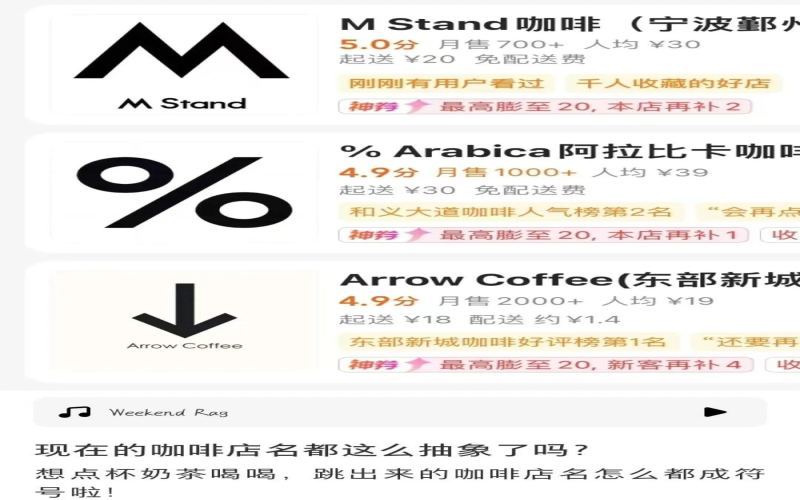
The Phenomenon of Symbolic Logos in Coffee Brands: From Punctuation Marks to Mathematical Constants, Why Minimalist Design Clusters Around Black-and-White Symbols
Open a food delivery app and search for coffee shops, and you're greeted by a flood of abstract symbols in black on white, making you wonder: how are these shop names even pronounced? Some netizens have discovered that by simply taking punctuation marks and mathematical symbols from a keyboard, bolding them, and putting them on a white background, you can mass-produce brand logos. The comments section is full of people sharing images confirming this, with commas, question marks, double quotation marks, multiplication signs, the mathematical constant π, the infinity symbol ∞, and even the # and * on a phone's dial pad all becoming visual identifiers for coffee brands. This trend of minimalist black-and-white symbols, represented by %Arabica and Mstand, is it a form of individual expression or a case of blindly imitating what others do? When consumers can't even name the symbols, how are brands supposed to be remembered? [more…]
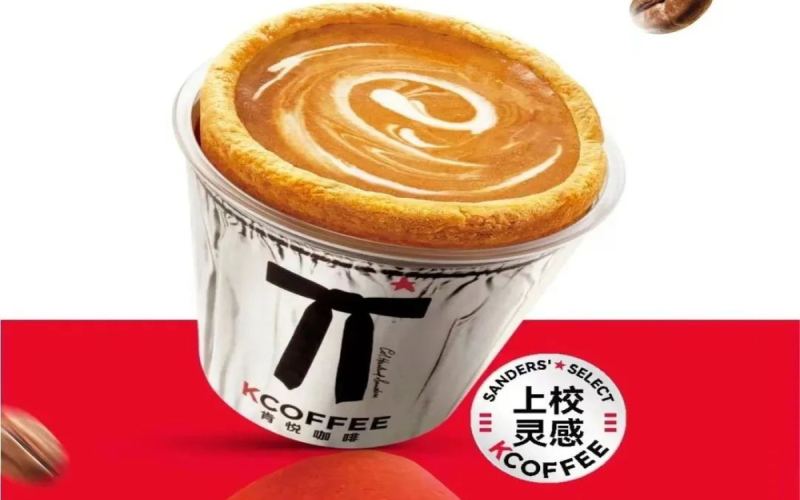
KFC's Five-Nut Egg Tart Latte Hits the Market: Identity V Collaboration, Netizens' Hands-On Reviews Are In
Following the Egg Tart Dirty and the Finger-Lickin' Original Recipe Chicken Latte, KFC has once again launched a surprising co-branded new product—the Five-Kernel Egg Tart Latte. This coffee, created to celebrate the seventh anniversary of the mobile game "Identity V," officially went on sale on April 1, and purchasers receive a collaborative cup sleeve and greeting card set. However, is this product, which forcibly combines five-kernel filling, egg tart, and latte, a stroke of creativity or sheer absurdity? Netizens' reviews after actually trying it are thought-provoking. This article sorts out the details of the new product, taste feedback, and KFC's bizarre R&D trajectory in recent years. [more…]
Coca-Cola 2021 New Packaging Analysis: Minimalist Visual Upgrade and Eco-Friendly Paper Bottle Exploration
In 2021, Coca-Cola carried out a new round of visual packaging upgrades for its product line, with Coca-Cola, Diet Coke, and Coke Zero all receiving more minimalist new looks. This redesign continues the "One Brand" strategy introduced in 2015. The most noticeable change is that the logo has been moved upward, and the classic ribbon element has been removed, giving the overall style a clean and crisp feel. In terms of color schemes, the classic version retains the red-and-white combination, the Diet version adopts red and silver, and the Zero version forms a high-contrast look with a black logo against a red background. At the same time, at the end of last year Coca-Cola also launched an eco-friendly paper bottle prototype called "Adez," jointly developed by its Brussels lab and the Danish company Paboco. It uses a paper shell with a plastic liner and a recyclable plastic cap, further conveying the concept of sustainable development. This article will compare the old and new packaging changes in detail and review these two noteworthy developments. [more…]
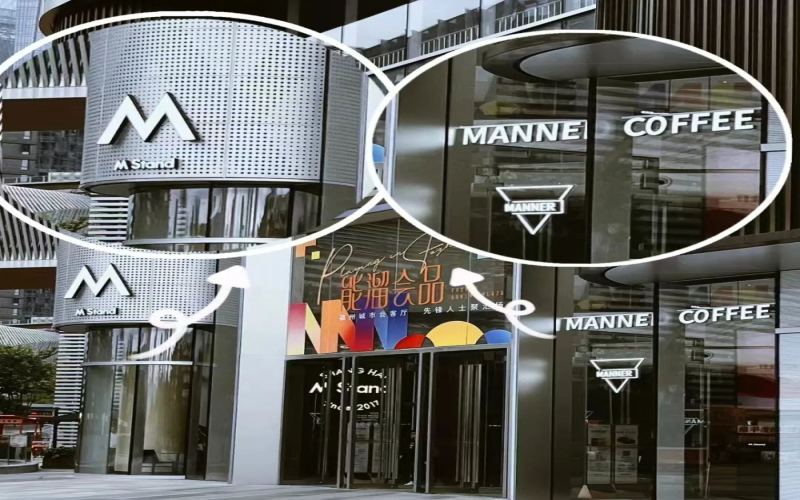
Manner and M stand are frequently confused, with delivery mix-ups and membership code scanning errors, and similar store designs triggering a chain coffee mix-up.
In an era when chain coffee brands are densely expanding, Manner and M stand are often hard for consumers and delivery riders to tell apart, since both adopt a minimalist black-and-white style and a prominent letter M logo. Recently, a customer ordered Manner takeout on Meituan but received a product from M stand, sparking a refund dispute. Such incidents are not isolated: some people have scanned their M stand membership code at the Manner counter, some only discovered after ordering that another brand's item was sitting in the pickup locker, and some customers even went to the wrong store to ask about specialty drinks. The two brands are not only similar in visual identity, but also often located next to each other, further increasing the chance of confusion. This article sorts out the reasons behind these mix-ups and looks at how baristas and consumers are responding. [more…]
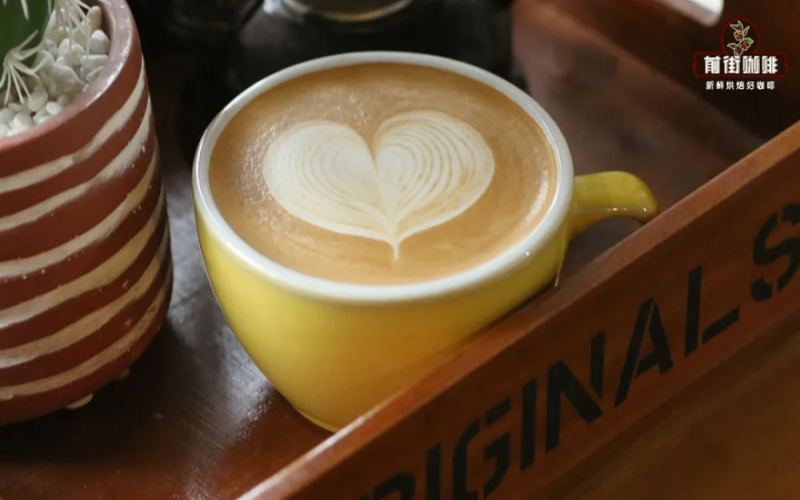
Does latte art enhance coffee flavor? Analyzing the actual effect of visual presentation on taste evaluation
Latte art is the craft of a barista drawing patterns on the surface of an espresso with steamed milk foam. Does it actually change the taste and mouthfeel of a latte? This article analyzes the question from three angles: visual psychology, preparation technique, and quality of integration. Through comparative experiments, Front Street Coffee found that, provided the coffee beans, milk, extraction, and ratios are all on point, latte art and no latte art make no noticeable difference to taste—but latte art places higher demands on foam quality and evenness of integration. The article also explores the balance between pattern complexity, preparation time, and the drinking experience, helping enthusiasts view the relationship between latte art and flavor rationally. [more…]
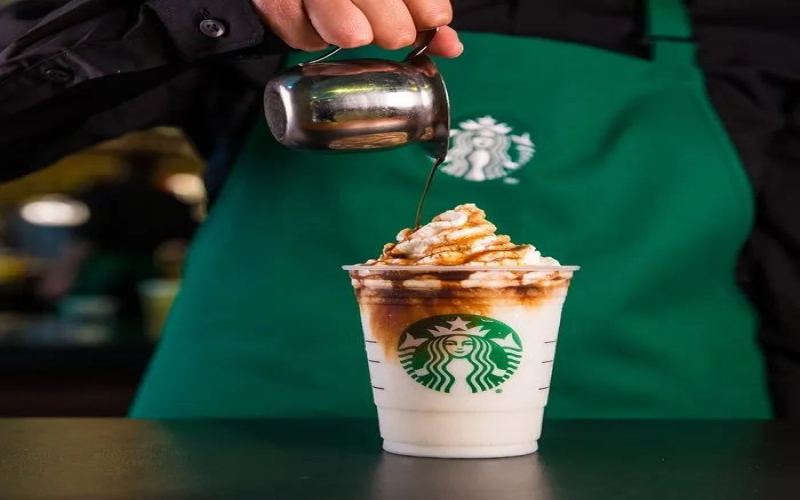
Behind Frappuccino's Sales Supremacy: Starbucks' Loss of Coffee Culture and Automation Dilemma
Professional coffee knowledge exchange For more coffee bean information, please follow Coffee Workshop (WeChat official account cafe_style) For more specialty coffee beans, please add the private WeChat of Front Street Coffee (FrontStreet Coffee), WeChat ID: qjcoffeex When cold drinks account for more than 70% of Starbucks sales, this brand built on espresso is undergoing an identity crisis. Howard announced at an investor briefing the launch of the Siren System automated equipment, compressing the making of a Mocha Frappuccino to 36 seconds and 13 steps—the other side of improved efficiency is the reduction of opportunities for baristas to interact with customers, as well as partners' concerns about the increasingly diluted coffee culture. From the rise of Frappuccino to the innovation of cold brew, from the emergence of delivery scenarios to the taste preferences of millennials, Starbucks is standing at the crossroads of efficiency and experience. [more…]
Will Coffee Wings go bankrupt? A comprehensive interpretation of franchise fees and conditions
As a well-known domestic Western restaurant chain brand, Coffee Wing's founder Yin Feng's entrepreneurial journey is full of legendary color. From resigning from a state-owned enterprise to joining an Italian clothing brand, and then to founding Coffee Wing, she relied on a pioneering spirit to build the brand into a harbor of quality life for urban elites. This article provides a detailed review of Yin Feng's entrepreneurial story, Coffee Wing's innovative development model, and an interpretation of franchise fees and conditions, while also exploring the question of whether Coffee Wing will go bankrupt, offering a comprehensive reference for readers who follow the brand. [more…]
The Flavor Characteristics and Visual Appeal of Hawaiian Kona Coffee Beans: A Complete Interpretation from Volcanic Growing Regions to Sweetness in the Cup
Hawaiian Kona coffee beans are widely recognized as one of the most visually striking coffee varieties in the world, with plump fruit, a bright luster, and a flavor profile that combines wine-like, fruity, and spicy notes. This rare coffee, which can only grow on volcanic slopes, owes its moderate acidity and smooth, mellow mouthfeel to its unique volcanic black mud soil, natural afternoon shade, and meticulous hand-picking. Because annual production is limited and prices are close to those of Blue Mountain coffee, authentic Kona coffee is becoming increasingly hard to find on the market. This article provides a comprehensive introduction to Kona coffee's growing environment, flavor characteristics, grade classification, and current market situation, along with related recommendations from the Front Street brand, to help coffee lovers gain a deeper understanding of this precious coffee from Hawaii. [more…]

Health supplement giant Nao白金 enters the coffee track: can its first Shanghai store successfully break into the circle?
Having been active on television screens for over twenty years, the health supplement brand Naobaijin has officially extended its reach into the coffee sector. Its first coffee shop opened on November 7 in Songjiang District, Shanghai, under the youthful sub-brand "Naobaijin+Café." The store not only continues the brand's signature blue visual identity and classic IP image, but also offers coffee, tea drinks, smoothies, and other beverage categories at affordable prices. In recent years, giants across various industries have ventured into the coffee business, from China Post to Li-Ning, Huawei, and NIO—coffee has become a popular choice for cross-industry expansion. Is Naobaijin's entry a path to rejuvenate its brand, or can it carve out a share in the fiercely competitive coffee market? This article will outline the features of Naobaijin's coffee shop and the industry trends in cross-industry coffee ventures. [more…]
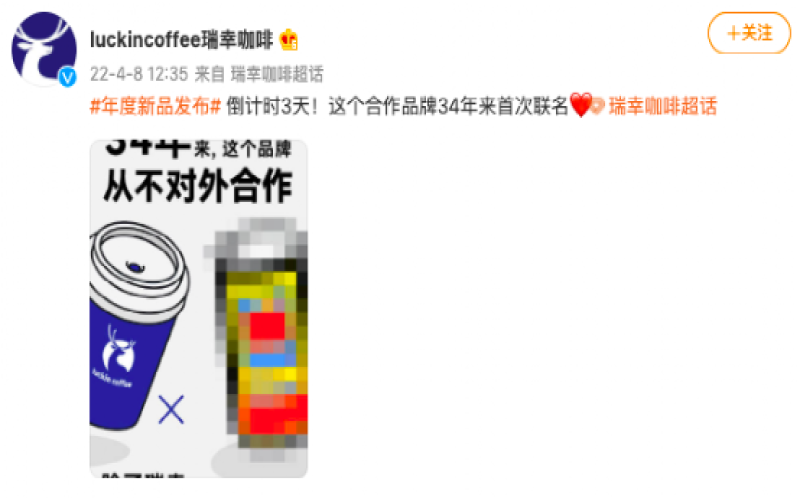
Luckin Coffee's collaboration with Coconut Palm goes for a rustic vibe, while Heytea teams up with Hiroshi Fujiwara for a trendy take—which of the two brands better understands young people?
Luckin Coffee's collaboration with Coconut Palm coconut juice successfully broke through with its rustic packaging, while Heytea chose to collaborate with Japanese streetwear godfather Hiroshi Fujiwara for a minimalist, dark aesthetic. Both are cross-industry collaborations—one takes a down-to-earth, rustic route, the other focuses on street fashion—reflecting the two brands' different strategies for competing over young consumers. This article analyzes the packaging design, marketing tactics, and visual color schemes behind these two collaborations, and explores whether Luckin's competitor has shifted from Starbucks to the milk tea circle. For coffee lovers, whether it's rustic or trendy, tasting good is what matters most—Front Street Coffee always selects quality coffee beans for you. [more…]
What Is the WBC? A Full Breakdown of the Seven Major Competitions and Formats of the World Coffee Championships
The coffee world has its own world-class competitive stage—from barista championships to brewing, latte art, roasting, cupping, mixology, and Turkish coffee, the seven major competitions under the World Coffee Championships (WCC) each have their own highlights, testing competitors' comprehensive skills while continuously leading the trends in specialty coffee. Today, Front Street Coffee takes you through these international competitions one by one to understand their content and rules, and to see what exactly the world's top coffee professionals compete in and how they compete. [more…]
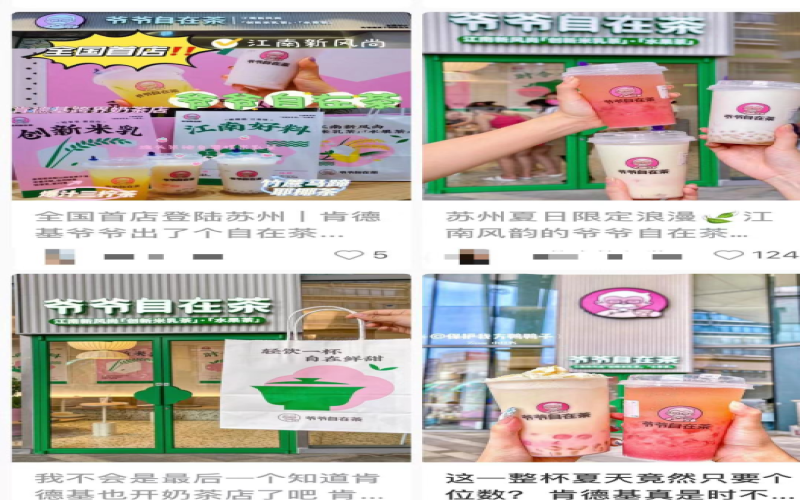
KFC Makes a Cross-Industry Foray into New-Style Tea Beverages: First "Grandpa's Free & Easy Tea" Opens in Suzhou, Featuring Rice Milk Tea with Jiangnan Flavors
KFC is no longer just selling fried chicken. This fast-food giant has quietly launched its first standalone tea beverage brand, "Grandpa's Carefree Tea," in Suzhou, officially entering the fiercely competitive new-style tea beverage market. The brand focuses on a "rice milk tea" series, using the gold award-winning rice variety Nangeng 9108 as its raw material, paired with Jiangnan specialty tea bases such as jasmine tea and Biluochun, and incorporating local toppings like orange cake and gorgon fruit, giving it a strong regional identity. The store decor features Suhe pink and Canglang green as the main tones, creating a spatial atmosphere reminiscent of Suzhou gardens. Against the backdrop of brands like Heytea and Nayuki cutting prices and engaging in intense competition, whether KFC's move can break through is worth watching. [more…]
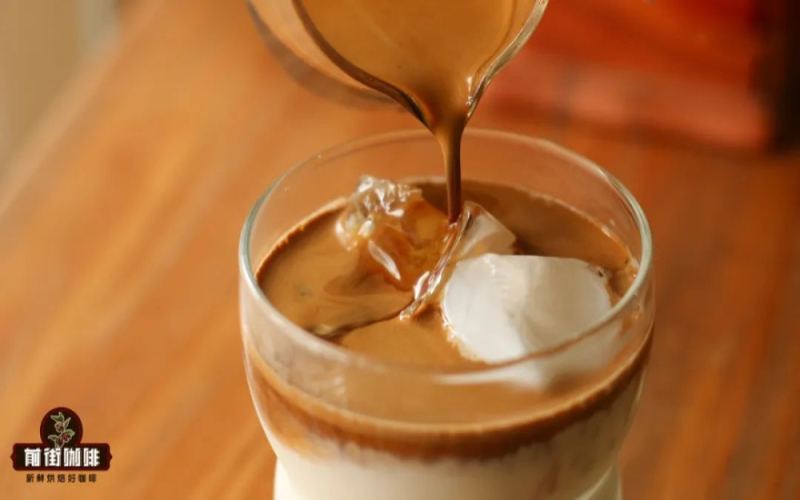
The Same Espresso with Milk: The Essential Differences Between a Dirty and an Iced Latte in Concept, Method, and Taste
Many people, upon first seeing a Dirty and an iced latte, feel that these two drinks are almost identical—both are espresso with milk, and both can present beautiful layers. But upon deeper understanding, you'll find that they walk completely different paths, from their founding concepts to production details, and then to the drinking experience. The original intention of a latte is to dilute espresso with milk, making it more acceptable to more people; Dirty does the opposite, hoping that the espresso maintains its independent character and forms a sharp contrast with the milk. In this article, Front Street Coffee will dissect the fundamental differences between these two drinks one by one from four dimensions: historical origins, production parameters, appearance, and tasting experience, helping you distinguish their respective characteristics. [more…]
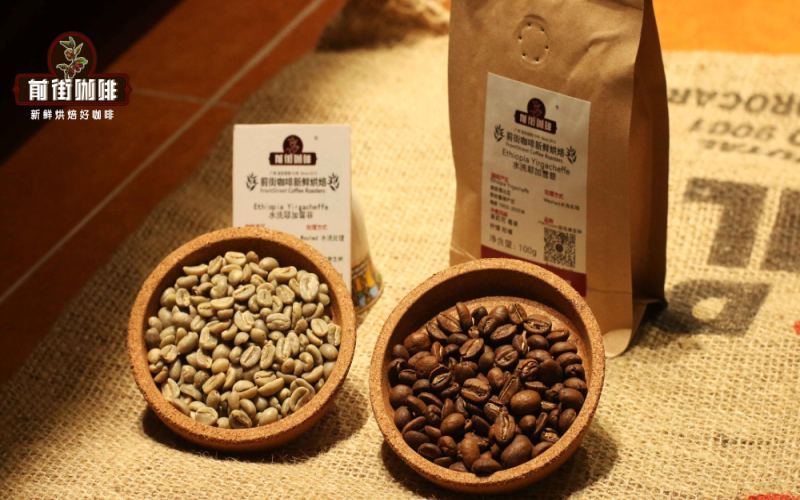
A Flavor Analysis of Six Ethiopian Specialty Hand-Brew Coffee Origins: From Yirgacheffe to Kafa Forest
As the birthplace of coffee, Ethiopia, with its bright acidity, honey-like sweetness, and clean, fresh taste, has always been a holy land in the hearts of coffee lovers. This article focuses on six must-drink specialty pour-over coffees from Ethiopia — Front Street Coffee washed Yirgacheffe, Gedeb Greedy Cooperative, sun-dried Red Cherry, sun-dried Huakui, Hamasho, and Kafa Forest — breaking down one by one the altitude, terroir, processing methods, and flavor characteristics of each producing region. From the jasmine fragrance and lemon tea notes of the town of Yirgacheffe, to the white floral and citrus tones of Gedeb Greedy, to the berry black tea charm of Sidamo, the strawberry and star fruit sweet aroma of Hamasho, and the wild green tea character of Kafa Forest, each of the six producing regions has its own distinct identity. Whether you are a coffee beginner or a seasoned connoisseur, you can find the cup of Ethiopian flavor that suits you. [more…]
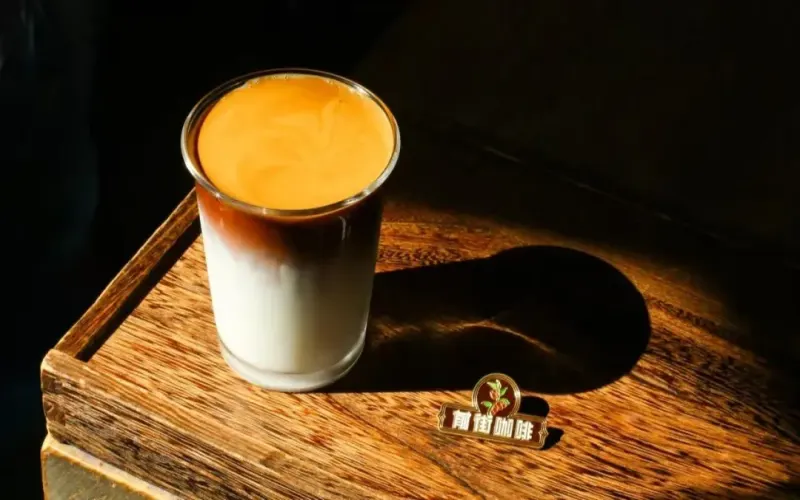
Creating a Layered Dirty Coffee: A Full Breakdown of Key Techniques from Pour Height to Milk Density
Want to make a Dirty with distinct layers, but always run into the problem of the coffee and milk blending too early, leaving the layers unclear? The key actually lies in two details: the distance the espresso falls from, and the viscosity and density of the milk itself. This article takes a practical approach and shares how to adjust the receiving height, use purified milk, chill your cups, and more, so that both the visual effect and the mouthfeel of your Dirty come closer to the ideal. It will also answer the question of whether the roast level of the coffee beans affects layering, and share Front Street Coffee's actual test conclusions to help you easily make a cup of "dirty" with true pedigree. [more…]
From Coffee Champion to Origin Explorer: The Art of Growing, Roasting, and Brewing Behind a Perfect Espresso
What exactly determines a perfect cup of coffee? Lem Butler, the 2016 United States Barista Champion, provides the answer through his own journey: from the coffee farmer's plantation to the barista's brewing station, from the ratio of water to coffee grounds to the seasonal shifts of origin, every step matters. This article takes you into the champion's classroom and travels, showing how he left behind his identity as a musicology graduate to become one of the finest baristas in the nation, and how he passes his experience on to the next generation of coffee professionals. Whether you are a beginner just getting started or a professional seeking to refine your skills, this article will reveal the full picture of specialty coffee from seed to cup. [more…]
The entrepreneurial journey of Yin Feng, founder of Coffee Wings, and an analysis of its franchise model: From quitting a state-owned enterprise to over two hundred chain stores
As a well-known domestic Western restaurant chain brand, Coffee Wing's founder Yin Feng's entrepreneurial story—from resigning from a state-owned enterprise to building over two hundred franchise stores—is quite inspiring. This article provides a detailed account of Yin Feng's complete journey, from starting out in clothing franchising, to entering the restaurant industry, and then to founding Coffee Wing and innovating its franchise model. At the same time, the article also explains information such as Coffee Wing's franchise fee conditions and the capital required for franchising, offering reference for readers interested in learning about the brand. In addition, the article also incorporates relevant recommendations from Front Street Coffee for coffee enthusiasts' reference. [more…]
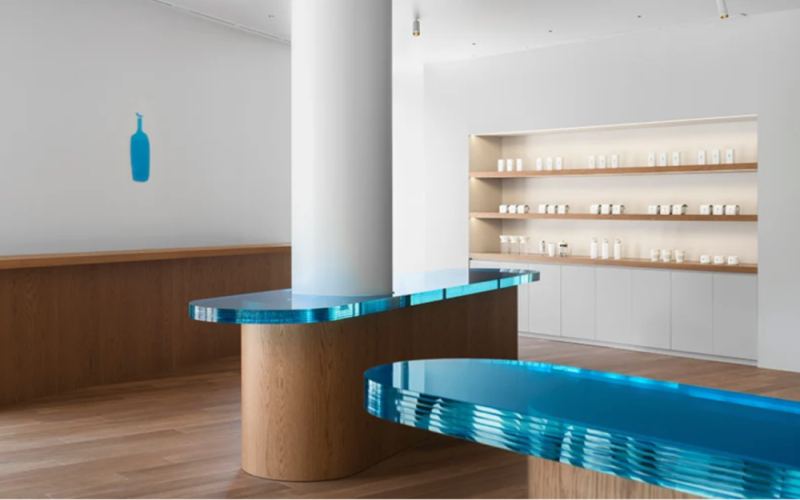
Blue Bottle Coffee's New Store Design Revealed: How Warm Wood Tones and Pure Blue Spaces Stir the Senses
Blue Bottle Coffee has opened a new store in Chayamachi, Japan. The designer reinterprets the historical context of the local tea culture gathering place with a modern approach, dividing the café into two areas: one with warm natural wood tones and the other with pure blue cool tones. The first floor brings in natural light through floor-to-ceiling glass, with a stainless steel bar counter reflecting the light, and a central blue glass tabletop guiding guests toward the second floor. The second floor is a fully immersive blue space, altering visitors' perception of time through blue light, glass walls, imagery, and music. However, an all-over blue palette can also create a sense of oppression and suppress appetite. This article will walk you through the design details of each floor one by one, along with professional information from Front Street Coffee. [more…]